
Skip to content
National FiberGrid, Connecting the Nation

National network infrastructure

The plant, the rooms, and the systems they carry

NFG’s infrastructure role is the design, deployment, operation, and maintenance of fiber-optic and network systems. This page explains that scope. It does not publish a live network diagram.

Network coverage
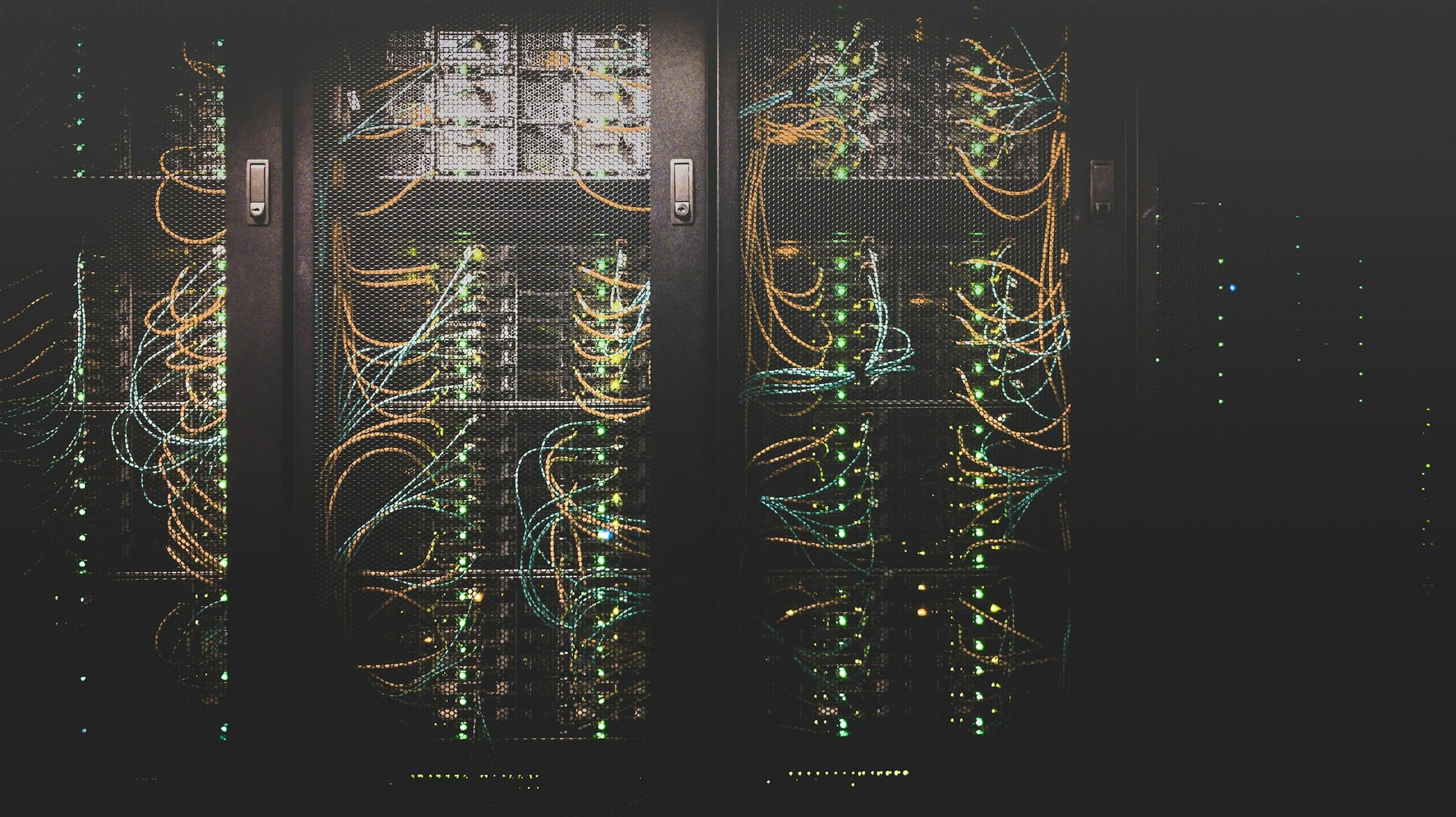
Network cabinets with organized cabling inside a data hall
Illustrative photograph. Not an NFG facility or crew.

What “national” means here

The company is positioned to support connectivity across Somalia, with headquarters in Mogadishu and an intention to expand deployment capacity along major cities and strategic corridors. That intention is not a map, and no corridor is claimed as built on this website.

GPON, DWDM, and backbone integration are named as technologies the company intends to invest in. They are not presented here as an inventory of installed systems.

Fiber backbone

The long-haul and metro plant that carries capacity between sites. NFG’s stated work includes underground and aerial construction, splicing, termination, OTDR testing, certification, and maintenance. Route lengths and live paths are not published on this website.

Network systems

The building and campus layer: structured cabling, racks, patch panels, and the integration of local and wide-area networks, including data-center cabling. This is the environment in which operator and enterprise equipment is housed.

Access and backhaul

FTTH rollout, backbone deployment, and wireless backhaul integration are named in the company profile as telecom work. They extend the backbone toward customers and toward sites that are reached by radio where fiber is the supporting path.

Sites and smart systems

CCTV, access control, and command-center integration sit on the same infrastructure conversation. They are part of NFG’s stated scope, alongside support for smart-city projects.

From survey to maintenance

The engineering function described in the company profile runs from site survey and design through installation, testing, and commissioning. Technical support then covers maintenance, fault response, and service continuity. Timing and responsibilities are set in each contract.

Read the service scope